 AI视界
AI视界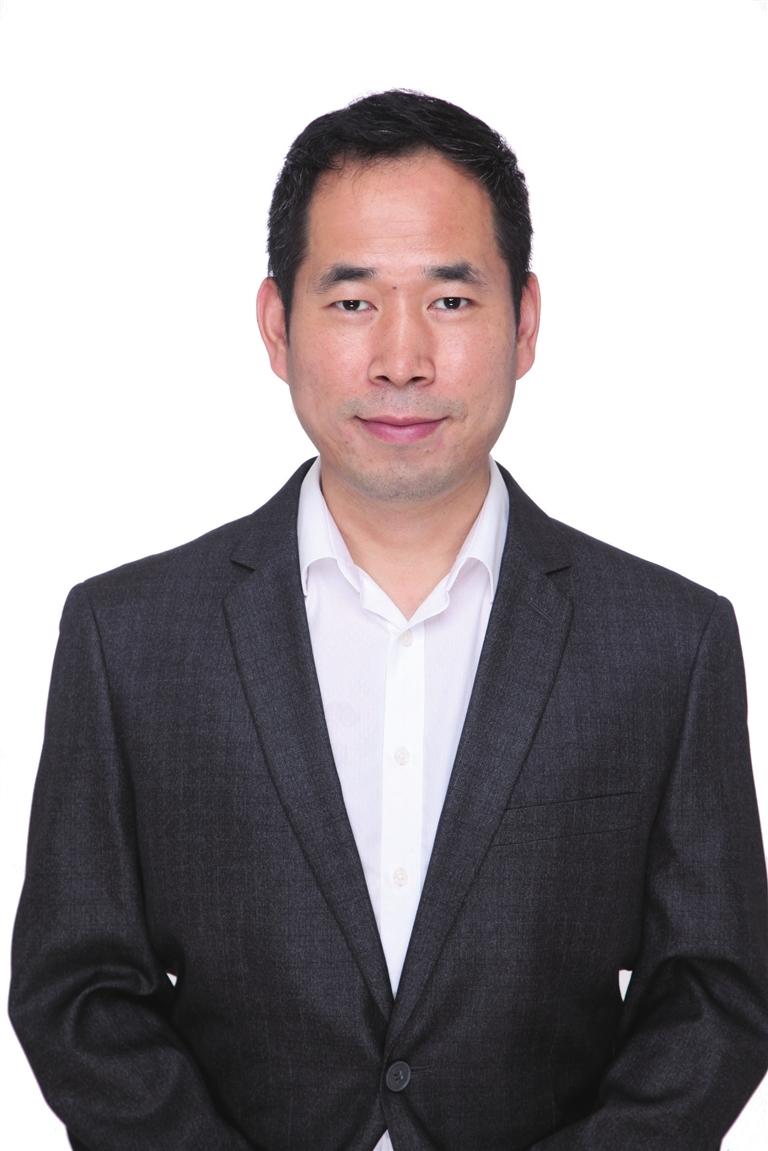
刘保奎 Liu Baokui

泰国泰丝 Thai silk

中国蜀锦 Chinese Shu brocade

印尼蜡染巴迪克 Indonesian batik
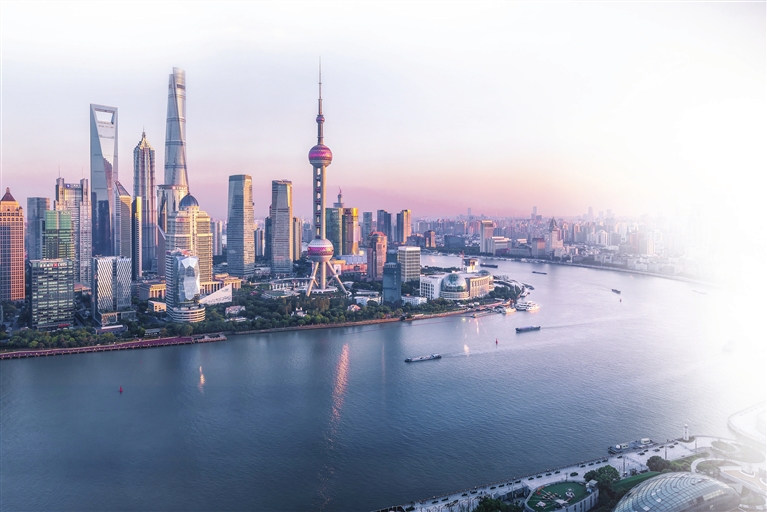
上海外滩风光。 The scenic view of Shanghai’s Bund.
■ 深圳特区报驻京记者 李萍
亚太经合组织(APEC)第三十三次领导人非正式会议将于11月在深圳举行。近日,本报驻京记者采访了国家发展改革委区域发展战略研究中心研究室主任、研究员刘保奎,畅谈“APEC‘深圳之约’”。
向世界展示开放自信充满创新活力的中国
“在深圳举办APEC会议,是国家对深圳经济特区发展成就的高度认可,更是我国扩大高水平对外开放坚定信心的展现。”刘保奎说,深圳是我国最早的经济特区,也是中国特色社会主义先行示范区。作为中国APEC第三城,期待深圳以先行示范的生动实践,向世界展示一个开放自信、充满创新活力的中国。
他说,近年来,深圳陆续举办了多个大型国际会议、国际赛事,每年接待数十位国家元首和政府首脑,在场馆设置、会议接待、交通组织、志愿服务、新闻宣传等方面积累了丰富经验。深圳面向亚太前沿,拥有现代化的城市基础设施、便捷的国际航空枢纽。深圳拥有舒适的气候和景色,既有繁华现代的深圳湾,也有景色宜人的大小梅沙,能够承担好会晤交往等复合功能,为APEC留下“中国印记”作出最大程度贡献。
“作为一座改革、开放、创新之城,建立经济特区40多年来,深圳的发展取得举世瞩目的成就,书写了世界发展史上的奇迹。不少国家对此由衷钦佩,也很感兴趣。”他特别指出,此次会议,将让各经济体领导人近距离感受中国发展的巨大成就,包括国际一流的营商环境,充满活力的经济脉动,文明进步的社会风尚、富裕幸福的居民生活等。这将有助于以更直观的体验向国际社会传递真实、立体、全面的中国形象,其意义和影响远超会议本身。
加快建设更具全球影响力的现代化国际城市
刘保奎表示,办好APEC会议,必将大大提升深圳的国际知名度、影响力和吸引力,为深圳迈向更具全球影响力的现代化国际城市注入强劲动力。
他具体分析指出,从以往举办城市的经验看,通过举办APEC会议,可以大幅提升城市的全球能见度、可信度,高效传播城市良好的建设风貌和营商环境,增强全球高端要素配置能力,加速全球资源的集聚。
“深圳通过进一步完善国际化设施和服务,特别是通过办会检验城市在外国人来深旅游、居住、医疗、教育、消费等方面的便利程度,完善国际化的标识体系建设和场景打造,将更好吸引世界一流人才、创新团队和全球游客,加快建设更具全球影响力的现代化国际城市的步伐。”他说。
“APEC成员是深圳主要贸易伙伴,经贸黏性无可替代。”他还表示,深圳作为粤港澳大湾区中心城市和核心引擎之一,APEC会议的举办,将引领大湾区加快深度融合,推动深港进一步携手打造最具国际竞争力的“双子星”,向全球枢纽跃升,为中国式现代化提供坚实支撑。
为亚太繁荣发展注入新的动力和活力
“‘十五五’时期是我国基本实现社会主义现代化夯实基础、全面发力的关键时期。”刘保奎说,作为改革开放排头兵和多重国家战略交汇之地,深圳应抓住APEC会议的重大机遇,聚焦国家重大战略需求和未来发展趋势,全面提升城市能级和国际影响力,并进一步全面深化改革,扩大高水平开放,以全方位先行示范的生动实践助力全国发展,也为亚太的繁荣发展注入新的动力和活力。
他建议,未来,深圳应持续释放APEC会议的带动效应,积极争取国际组织及其分置机构落户深圳,大力引进和谋划一批国际知名展会、论坛,织密国际合作网络,形成“长尾”效应,赋能深圳科技创新和产业创新,积极培育发展新质生产力,打造全球人工智能和低空经济高地,加快建设全球重要的领先的先进制造业中心和具有全球重要影响力的产业科技创新中心。
“同时,深圳应积极对标全球城市,提升城市国际视野,健全全场景全链条的涉外服务体系,集中推出一批国际化建设样板,建设更具吸引力的国际化人才高地。”他还建议,深圳应充分发挥自己的优势,为全国乃至亚太的科技创新和实体经济发展提供更强有力的支撑,为亚太共同体建设和共同繁荣贡献深圳智慧。
“APEC会议为向世界展现中国式现代化实践、讲好深圳故事提供了窗口,世界也将在深圳看见亚太合作的另一种答案。”他满怀期待地说。
(深圳特区报北京4月21日电)
Liu Baokui, director of the Regional Development Strategy Research Center of the National Development and Rem Commission
‘Shenzhen Wisdom’: A catalyst for Asia-Pacific prosperity
■ Li Ping, Shenzhen Special Zone Daily's Beijing correspondent
The 33rd APEC Economic Leaders’ Meeting will take place in Shenzhen this November. Liu Baokui, director of the Regional Development Strategy Research Center of the National Development and Reform Commission, recently shared his insights on the summit’s significance for both the city and the broader Asia-Pacific region.
“Choosing Shenzhen as the host city reflects the central authorities’ profound recognition of its development,” Liu said. “It also signals China’s unwavering commitment to high-level opening up.” As China’s first special economic zone, a pilot demonstration area for socialism with Chinese characteristics, and the third Chinese city to host the APEC summit, Shenzhen is expected to show the world an open, confident, and innovation-driven China.
Liu noted that Shenzhen is well prepared for the diplomatic spotlight. In recent years, the city has hosted numerous major international conferences and sporting events and received dozens of heads of state each year. It has built a robust infrastructure for international diplomacy, ranging from world-class venues, logistics, and transportation to professional volunteer services. Combined with its pleasant coastal scenery, Shenzhen is poised to leave a lasting “Chinese imprint” on the APEC legacy.
The summit offers a rare opportunity for world leaders to witness what Liu describes as a “miracle in the history of world development.” Over the past four decades, Shenzhen has evolved from a fledgling economic experiment into a global powerhouse.
“The meeting will allow leaders to see firsthand China’s world-class business environment, vibrant economic dynamism, and the prosperous lives of its residents,” Liu said. He emphasized that the summit’s impact will extend far beyond the event itself, projecting a multidimensional and authentic image of a modernizing China to the international community.
Liu noted that hosting APEC will significantly elevate Shenzhen’s global profile, providing a powerful catalyst for its evolution into a top-tier international metropolis. Drawing on the success of previous host cities, he explained that such summits enhance a city’s global visibility, credibility, and ability to attract high-end global resources.
“By using this event to stress-test and refine its international services — from healthcare and housing to multilingual signage — Shenzhen will become an even more magnetic hub for global talent and tourism,” Liu said.
He stressed that the event will deepen integration within the Guangdong-Hong Kong-Macao Greater Bay Area and strengthen the “twin-star” synergy between Shenzhen and Hong Kong, helping the duo ascend to an even more dominant position as a global hub.
As a pacesetter for reform and a testing ground for national strategies, Shenzhen must seize the APEC summit as a prime opportunity to elevate its urban capacity and global reach, expanding high-level opening up, drive national development, and inject fresh vitality into the Asia-Pacific region.
To maximize the summit’s “long-tail effect,” Liu suggested that Shenzhen leverage the event’s spillover effects to attract international organizations and host world-renowned forums. These efforts will empower the city’s technological innovation, cultivate new productive forces, and transform Shenzhen into a premier hub for AI, the low-altitude economy, and advanced manufacturing.
Shenzhen is tasked with benchmarking itself against the world’s elite cities. Liu believes that by improving foreign-related services and establishing internationalization demonstration zones, Shenzhen will become more appealing to global talent and innovators. He further suggested that Shenzhen bolster its support for technological innovation and the real economy throughout the Asia-Pacific, contributing “Shenzhen Wisdom” to the region's shared prosperity.
“The APEC meeting is a window to showcase the practice of Chinese modernization,” Liu concluded. “Through Shenzhen, the world will see a compelling answer to the future of Asia-Pacific cooperation and shared prosperity.”
(Translated by Li Jing)
回眸APEC
APEC Through the Years
第九站:中国上海
亚太经合组织第九次领导人非正式会议于2001年10月21日在中国上海科技馆举行,会议以“新世纪、新挑战:参与、合作,促进共同繁荣”为主题,重点讨论全球经济形势、人力资源能力建设及APEC未来发展方向,并通过《领导人宣言》和《上海共识》等文件。这是APEC领导人非正式会议首次在中国举办,各成员领导人穿着中式唐装合影,展现了地区合作的象征意义。会议期间,各经济体领导人就“9·11”事件后的反恐议题达成共识,发表《亚太经合组织领导人反恐声明》。
上海市是中华人民共和国直辖市,超大城市, 世界一线城市,位于中国东部,总面积6340.5平方千米,常住人口约2500万人。上海市是长江三角洲世界级城市群的核心城市,国际经济、金融、贸易、航运、科技创新中心和文化大都市,国家历史文化名城。上海市也是中国共产党诞生地和工人运动发祥地,有着丰厚的文化遗产,是不同风格、不同功能建筑的聚集地,囊括了世界建筑史上各个时期的各种风格。
APEC风物志
APEC Cultural Highlights
APEC会议不仅是一座经贸交流的平台,也是一个各经济体展示自我文化的橱窗。在上海APEC会议上,中国蜀锦大放异彩。其他经济体中,泰国泰丝、印尼蜡染巴迪克也是享誉世界的织物代表。
The APEC summit serves not only as a platform for economic and trade dialogue but also as a stage for member economies to showcase their cultural heritage. At the Shanghai summit, China’s Shu brocade captivated the world, standing alongside other iconic textiles such as Thailand’s Thai silk and Indonesia’s batik.
蜀锦有两千年的历史,纹样对称,色调鲜艳,对比性强,是一种具有汉民族特色和地方风格的多彩织锦。2009年9月,蜀锦经联合国教科文组织审议批准列入《人类非物质文化遗产代表作名录》。
Boasting a 2,000-year history, Shu brocade is celebrated for its symmetrical patterns, vibrant colors, and bold contrasts. A quintessential craft of the Han Chinese, it embodies a distinctive regional aesthetic and was inscribed on the UNESCO Representative List of the Intangible Cultural Heritage of Humanity in 2009.
Ninth Stop: Shanghai,China
The Ninth APEC Economic Leaders’ Meeting was held in Shanghai on October 21, 2001, marking China’s first time hosting the event. Under the theme “Meeting New Challenges in the New Century: Achieving Common Prosperity through Participation and Cooperation,” leaders discussed global and regional economic landscapes, human resource development, and APEC’s future direction. The meeting adopted the APEC Leaders’ Declaration and the Shanghai Accord. As a symbol of unity, the leaders wore traditional Chinese Tang suits for the group photo. Notably, in response to the September 11 attacks, they issued the APEC Leaders’ Statement on Counter-Terrorism.
Shanghai, a municipality directly under the Chinese Central Government, is a world-class megacity. Spanning 6,340.5 sqkm and home to 25 million permanent residents, it serves as the vibrant core of the Yangtze River Delta city cluster. Shanghai is an international powerhouse in economy, finance, trade, shipping, and technological innovation. As a nationally recognized historical and cultural city, it holds deep significance as the birthplace of the Communist Party of China. Its urban landscape is a living museum, showcasing a diverse tapestry of architectural styles that span different eras and cultures, reflecting a unique blend of heritage and modernity.
 关键词
关键词 简介
简介 重点
重点 分析
分析 猜你想问
猜你想问