
2021观澜论坛丨何为民:上善若水 - 陈琦木版画中的数字技术与“道”
2021-11-24 20:40 来源:观澜版画
人工智能朗读:


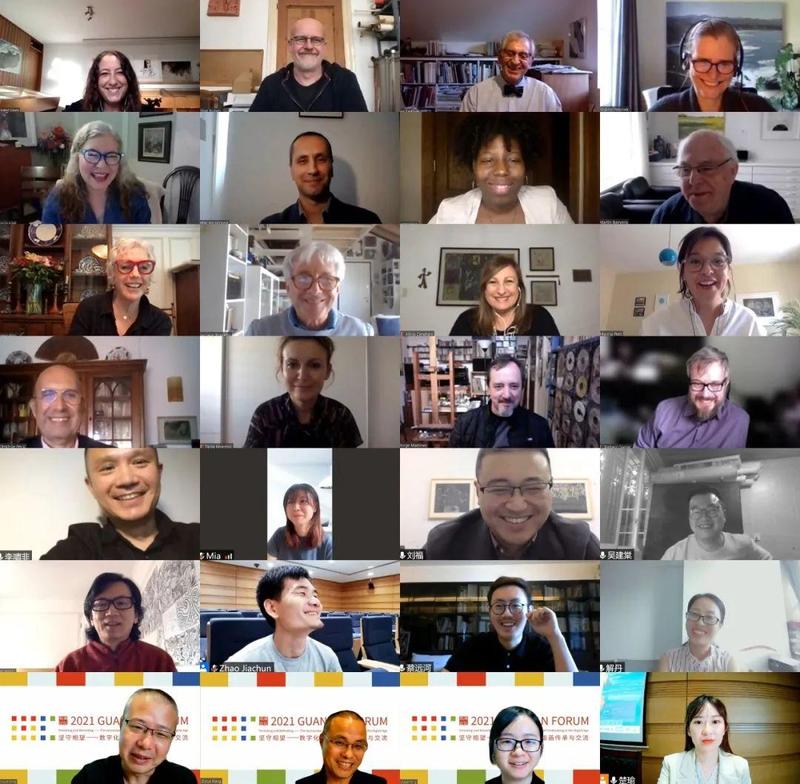
2021年9月23日至25日,由中国版画博物馆主办的2021观澜论坛以线上会议的形式成功举办。2021观澜论坛共分为四场,共有来自16个国家的30位艺术家及专家学者参与,他们围绕“坚守相望——数字化时代的版画传承与交流”这一命题进行了广泛交流和深入讨论。
本次论坛中,来自世界各地的版画家和版画机构负责人发表了他们对疫情影响下,以及数字化时代背景下国际版画交流和发展之路的真知灼见。
今天将为各位分享的是黑龙江省书画院(美术馆)创作员,牛津大学格林坦普敦学院客座研究员何为民带来的精彩演讲:上善若水 - 陈琦木版画中的数字技术与“道”。下面是中英文双语文字版。
///
上善若水
--陈琦木版画中的数字技术与“道”
The highest good is like water
--Digital technology and Dao in
Chen Qi’s wood block prints
何为民
[黑龙江省书画院(美术馆)创作员,英国牛津大学格林坦普敦学院客座研究员]
He Weimin
[Artist of Heilongjiang Academy of Painting and Calligraphy (Art Gallery), Visiting Researcher of Green Templeton College, University of Oxford]
中国木版画孕育于汉,肇始自隋,成熟于唐,精工于宋,至明饾版印刷术发明而至鼎盛,及清末石版印刷术传入而式微。自发轫之初,木版即以水墨为印刷载体。至1920年代后期在左翼作家鲁迅等倡导下,欧洲及日本创作版画得以介绍传入中国,并由此催生了中国新兴木刻运动,水印版画也随之得以复苏。
Chinese woodblock printing has been using water-soluble ink as its key element for printing since its invention as early as the 7th century. The cutting and printing techniques became highly sophisticated during the 9th century. When assembled block printing techniques were invented for reproducing Chinese ink paintings during the 17th century, woodblock printing reached its golden era and it lasted until lithography was brought in to China in the late 19th century. The revival of relief printing started from the late 1920s when European prints were introduced to China and spawned the modern woodcut movement which was primarily advocated by the left-wing writer Lu Xun (1881-1936).
由于战乱和政局动荡等因素,在1980年代之前水印木版画并未得到充分发展,虽然在1950年代曾有过一段短暂的木版画传统技法创造性运用的复兴,但大多数艺术家最终都采用了油印木版画技法,因为油印技法印制版画更加直接和快捷。水印木版画的全面发展始于1970年代后期改革开放政策的实施,经过几十年的发展,年轻一代的艺术家与老一辈艺术家一起对这一流派进行了历史性的变革,陈琦被公认为是这一媒介革新中的最杰出的领军人物之一。
Due to the wars and the political upheavals, water-soluble ink woodblock printing was underdeveloped before the 1980’s, although there was a short period of rejuvenation of the traditional technique for creative use of woodblock printing during the 1950’s, most artists adapted oil-based woodcut techniques which technically are more strait forward and immediate. A revival of woodblock printing started from the late 1970’s following the open door policy and after a decade’s development, a group of young generation artists together with the older generation made historic transformation to this genre, Chen Qi, has been regarded as one of the most outstanding representative figures in renovating the media since then.
革故鼎新
Chen Qi’s legacy
陈琦于1963年出生于南京,1982年进入南京艺术学院学习。尽管从1985年开始他制作了一批木版画,作为一名年轻的学生,他当时更热衷于平版、蚀刻和丝网版画等这些在中国并不常见的技法,陈琦全面投入水印木版创作是从1980年代后期,在他留校任南京艺术学院讲师后开始的。陈琦的水印木刻《明式.桌》在全国展览中展出后,很快获得广泛的认可。虽然作品主题和技法是传统的,但陈琦以一种独特的当代方式来诠释它们。在这件作品及其同时期木版水印中,物体在空白的背景上通过单色明暗法被印制出来,显得既简洁,写实,又具有超现实乃至极少主义意味。传统木版画通常由一个主版(线版)和多个副版组成,而与传统的木版画不同,陈琦的作品大多通过丰富的渐变灰色调和干净的边缘来呈现视觉图像。从技术上讲,他的手法对于大多数版画家来说是非常具有挑战性的,而陈琦则通过大量实践成功地创造了近乎完美的画面效果。
Born 1963 in Nanjing, Chen entered the Nanjing University of the Arts (NUA) in 1982. As a young student, he was more enthusiastic about lithography, etching and screen printing which were less common in China then albeit he produced a number of woodblock prints from 1985. Chen’s full engagement with woodblock printing started from the late 1980’s after he became a lecturer at the NUA and he won wide recognition following the exhibition of his woodblock print of a Ming table in an National show. While the subject and techniques are traditional, Chen interprets them in an exceptional, contemporary way. In this and other prints, objects are depicted in monochrome chiaroscuro on blank background, appearing simple, realistic but surreal. Unlike traditional woodblock prints which often comprise a key block and a number of colour blocks, Chen’s work is mostly printed with gradient rich tones and clean edges. Technically his style would be very challenging for most printmakers, but Chen creates almost flawless prints.
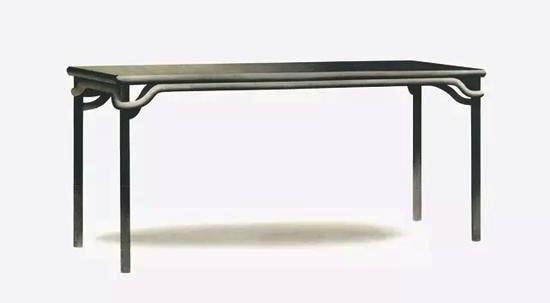
《明式.桌之一》丨水印版画丨40×75 cm | 1989
继最初的成功之后,陈琦在90年代初期又陆续创作了《中国传统乐器》系列以及《二十四节气》系列等。他在后者通过描绘周围看似寻常的场景来表现时间的流逝。在其《荷》系列中,陈琦进一步追求意境的纯粹和禅意。自 2001 年始,他的水印作品尺幅变得越来越大,显示出了艺术家想要挑战该媒介表现力的雄心。2003 年,《佛印》的尺幅达到 720 x 720 厘米,在技术层面显示出了艺术家对水和墨的卓越掌控。在此期间,他投入很大精力研究数字技术,并在南京艺术学院成立了新媒体艺术工作室 (后成为南艺的传媒学院)。与此同时,他探索了传统水印技术与数字技术相结合的可能性。
Following his initial success, Chan made a traditional Chinese music instrument series in the early 1990s, and then the 24 Solar Terms series in which he marked the passing of time by depicting seemingly ordinary scenes around him. In his Lotus series he pursued purity and chan (zen) conception. From 2001, his work grew increasingly oversized and showed the artist’s ambition in mastering the media. In 2003, Buddha’s Mudra measured 720 x 720 cm, whilst the techniques showed perfect control of water and ink. During this period he studied digital technology and established a new media art studio which later turned into the School of New Media, NUA. At the same time, he explored the possibilities of combining traditional techniques with digital technology.
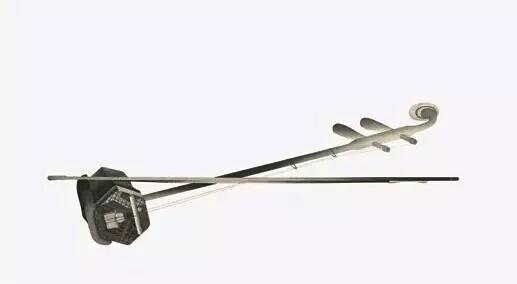
《琴之一》丨水印版画丨50×76 cm | 1991
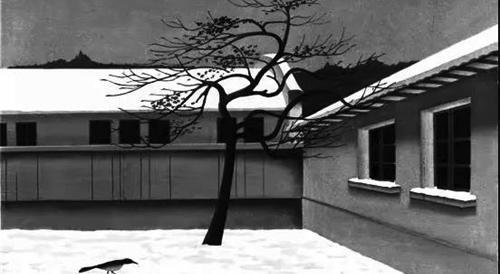
《二十四节气》系列水印版画-春分丨水印版画 | 1993

《荷之舞》丨水印版画丨147×147cm| 1999
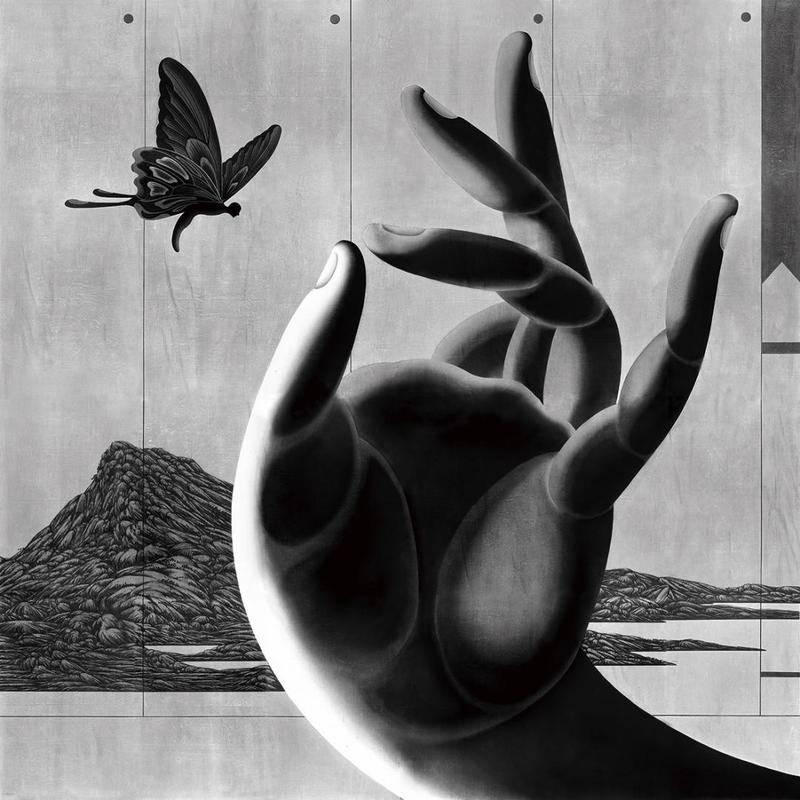
《佛印》丨水印版画丨720×720cm| 2003
数字水印
New with old
生活在公元前5世纪的哲学家老子经常将水与“道”的概念进行比较。“上善若水。水善利万物而不争,处众人之所恶,故几于道矣。”水作为宇宙的五种基本元素之一,自古以来就是中国艺术的重要主题。马远(1160-1225)的《十二水图》就是一个典型的例子,这些传统理念也启发了陈琦的创作。
Laozi, the 5th century BC philosopher often compared water with the concept of dao. ‘The highest good is like water. Water benefits everything by giving without taking or contending. It likes the place others dislike, so it follows closely the divine law’. As one of the five basic elements of the universe, water has been a significant subject in Chinese art since ancient times. A typical example is the 12 sections of Ma Yuan (1160-1225)’s Water series which also inspired Chen’s creation.
2006年,水,成为了陈琦的主要关注点,也代表着他作品的全面成熟阶段。他对水的描绘,往往是由繁复的构图组成,远看却呈现出图案般的表面,展现出一种超越象外的纯净特质。陈琦解释道:“每一个波浪都有其独立的价值,并对其周围的波浪产生影响;一波的瓦解和消散是另一波的开始,就像历史和生命一样,没有尽头。”
Water become Chen Qi’s primary focus in 2006 and represents the fully accomplished stage of his work. His depictions of water often have an overwhelmingly busy composition, yet from distance, a pattern-like surface emerges, demonstrating a simplicity and purity. Chen explains: “each wave has its own independent value and has an influence on the waves around it; the disintegration and dissolution of one wave is the start of another, with no end, like history and life.”
2007年,陈琦转到位于北京的中央美术学院任教。在这里,艺术家首次使用 Illustrator软件进行绘稿,为他的作品《1963》 (2009) 创建了八个矢量图层,“绘图”的过程很简单,但非常耗时。他必须使用鼠标点击三个至上百个点,以将起伏的线条连接形成闭合的波浪。粗略计算,他在《1963》这幅作品至少连接了 100,000 个点。然后将每个图层印刷在 1:1 的聚酯薄膜上。随后,他用复写纸和硬尖笔在 96 块椴木版(每块 100 x 200 厘米)上描绘出所有线条。绘版过程历经一个月的高强度工作才完成,而刻画所有 96 个木版又花费了他六个月的时间,然后陈琦将所有的木版依次手工印制在多层宣纸上。每印一张都花费了 16 天的时间来完成。然而,这幅具有里程碑式意义的作品标志着他完成了将传统艺术与现代技术结合的第一步。
In 2007, Chen moved to the Central Academy of Fine Arts in Beijing to establish a new media school. It was here that the artist used Illustrator for the first time, creating eight vector layers for his 1963 (2009), the ‘drawing’ process was straightforward however extremely time consuming. Using a mouse, he had to click on between three and sometimes 100s of points to form closed waves from the undulating lines. A rough calculation shows that he connected at least 100,000 dots in 1963. Then each layer was printed onto 1:1 polyester film. Subsequently, he used carbon paper and a pen to trace all lines onto 96 pieces of lime wood blocks (each measuring 100 x 200 cm). This took him a month of intensive work to complete and the cutting of all 96 blocks took him another six months. Then Chen printed all of the blocks by hand onto multi-layered xuan paper in succession. Each copy took him 16 days to finish. However, this monumental work marked his first step to combine the traditional technique with modern technology.
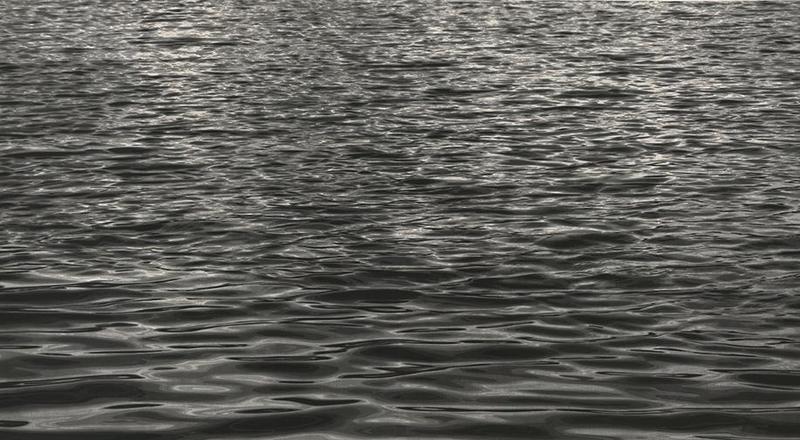
《1963》丨水印版画丨335cm×780cm| 2009
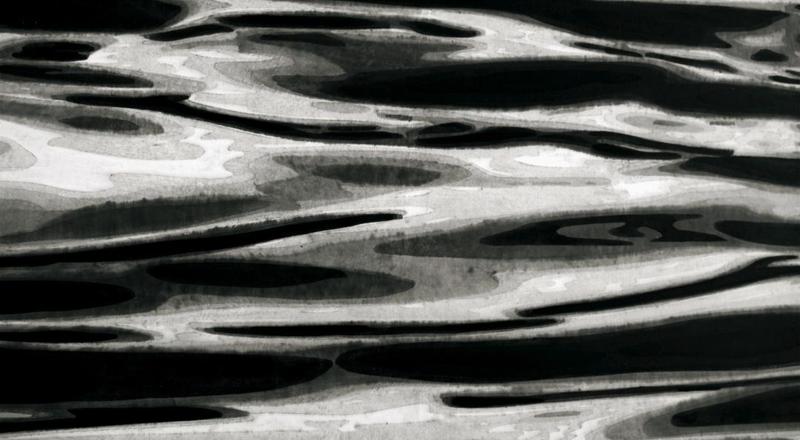
《1963》 细节部分
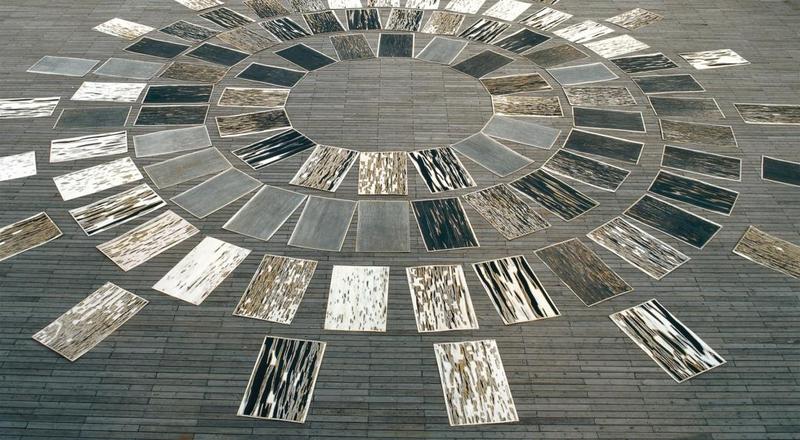
《1963》96块木版原版
十件系列作品《上善若水》创作于2012年,该系列标志着艺术家在数字技术与木版结合创作领域进入到真正成熟阶段。为了创作这个系列,陈琦第一次使用大型激光切割机刻版,这台机器将他从劳动密集型的刻画工作中解放了出来,尽管他仍然需要手动清理木版的部分区域。从技术上讲,用大型版画机印制木版画是可行的,但是,陈琦更喜欢使用传统的手工印制为作品的最后阶段赋予人性化的触感。当许多艺术家还在争论或犹疑是否应该在版画中采用数字技术时,陈琦已经用以前所未有的速度和规模创作出了具有里程碑意义的作品。
The ten-piece series The Highest Good is Like Water was created in 2012. This series marked another milestone in the artist’s work with digital technology. To create this series, Chen used a large laser-cutting machine to cut his blocks for the first time, and the machine liberated him from some of the labour intensive cutting process, although he still needed to clear away some areas of the blocks manually. Technically, it is possible to print the blocks with a press, however, Chen prefers to use traditional hand printing to give the final stage a human touch. While people have argued about the adoption of digital technology in printmaking, Chen has used it to make sophisticated works in an unprecedented speed and scale.
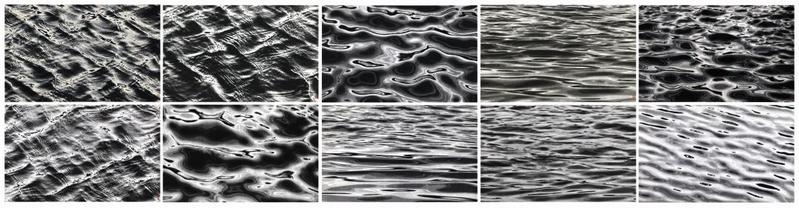
《上善若水》十件系列作品 2012
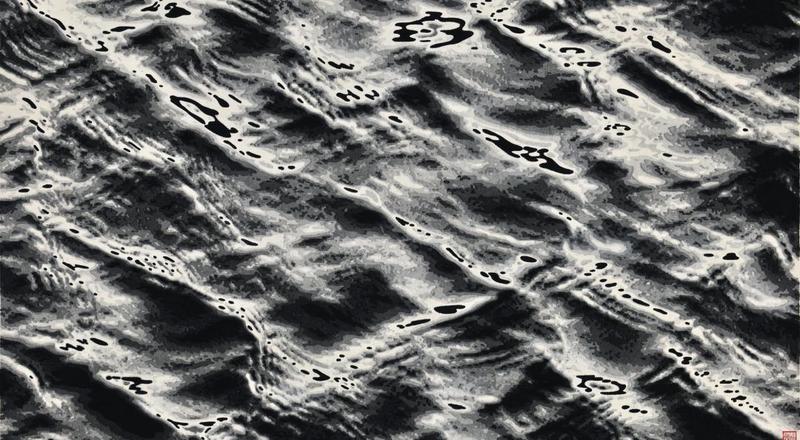
《上善若水之一》丨水印版画丨50×80 cm | 2012
道技一体
Technique as dao
“道”被视为形而上的理念,技可进乎道,艺可通乎神。 在某种程度上,陈琦的工作习惯就像是一个科学家,他认为技术当中隐含着观念,也有“道”本身的存在。例如陈琦在创作过程中甚至记录了水的 PH 值对印制版画产生的影响。在中国传统技法中,与刻版相比,印刷过程的重要性占到了70% 。将湿润的木版通过水溶性墨水和具吸水性的湿纸印制出来是具有挑战性的。工坊的湿度需要维持在稳定的状态,以保持纸张和木版中的水分,因为任何水分上的变化都会导致纸张伸长或收缩,从而影响套版的准确性。陈琦使用的纸张是造纸厂特制的多层生宣纸,其强度足以承受纸张潮湿时从背面反复摩擦。这个过程既需要数学上的计算,也需要经验。与油印木版的可预测性不同,水印木刻充满了不确定性,它可产生湿、干、厚和薄的不同层次,以及渗色和锐利的效果。由于使用材料与传统水墨画几乎相同,它的制作过程与水墨画更具相似性。受范宽(c.960-c.1030)、倪瓒(1301-1374)等文人大师的水墨画的启发,陈琦的大部分作品虽然使用多块木版,但大多是单色的。在中国艺术理论中,当黑色的墨通过水的作用印刷在白纸上时,它本身就包含了的所有颜色,即所谓的“墨分五色“,这也体现出阴与阳的相互转换。
Dao is regarded as metaphysical and it has often been separated from technique in Chinese culture. To a certain degree, Chen’s working habits are like those of a scientist and he believes that technique carries concept and is also dao itself. Chen has a sophisticated ‘ingredient’ for his process: he recorded the influence of the PH value of water in printing. Traditionally in China, the printing process is regarded as 70 percent of importance compared to the cutting. It is challenging to get a moist block to work with water-soluble ink and absorbent damp papers. The workshop humidity needs to be stabilised to maintain the moisture of paper and block as any change of moisture could cause the paper to extend or shrink, affecting the registration. The papers Chen uses are traditional, multi-layered, unsized xuan papers which were purpose-made by the papermaking factory and are strong enough to tolerate repeated rubbing from the back while damp. This process needs both mathematical calculation and experience. Unlike oil-based ink which is more predictable, woodblock printing is full of uncertainties whereas it could produce wet, dry, thick and thin layers, bleeding and sharp effects, it has more similarity with the process of ink paintings since the materials are almost identical. Inspired by the ink paintings of literati masters such as Fan Kuan (c.960-c.1030) and Ni Zan (1301 – 1374), most of Chen’s works are also in monochrome although using multi-blocks. In Chinese art theory, black ink itself contains all the colours when printed with water on white paper and also demonstrate the interaction of of yin and yang.
陈琦的全景式作品《本质的起源》(2019)由两种图像组成:水的涟漪和阿拉伯艺术中复杂的几何图案。在这件作品中,陈琦通过版画艺术语言的形式,将数学推理的过程进行了可视化的解读。同时,陈琦还尝试了绝版印刷技术,在印刷五块木版的过程中允许“意外”的出现,所以每个部分都略有不同,每个版次也都具有自己的特点。
Chen’s panoramic image Origin of Essence (2019) is composed of two types of image: the ripples of water and the complex, geometric patterns of Arabic art. In this work Chen interpreted the world by visualising mathematical reasoning in the form of graphic language. Meanwhile, Chen also experimented with reduction printing techniques, and allowed ‘accident’ during the printing of the five panels, so each section is slightly different from the other and giving each copy its own character.
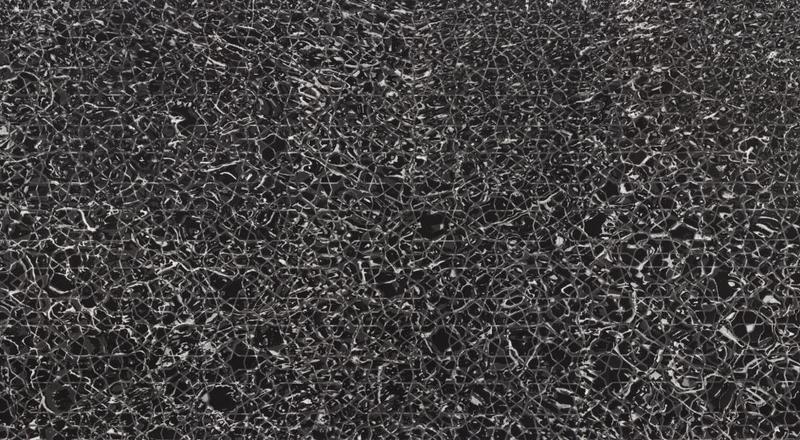
《本质的起源》丨水印版画丨185x560cm| 2019

《起源》丨水印版画丨159.5×159.5cm| 2016
陈琦的版画展示了他对生命、时间和空间概念深刻与敏锐的洞察力。近年来,他的兴趣扩展到了动画和灯光装置领域。2019年,陈琦的巨型版画装置《2012生成与弥散》在第58届威尼斯双年展中国馆展出。它由 240 个大幅木版制作而成,可能是有史以来最大的手工印刷木版画之一(4 x 24 米)。
Chen Qi’s prints showcase his insight into the notions of life, time and space. In recent years, his interests have extended to animation and light installation. In 2019, Chen Qi’s gigantic print installation The Born and Expansion of 2012 was presented in The China Pavilion at the 58th Venice Biennale. Printed from 240 large blocks, it is probably one of the largest hand-printed woodblock prints ever produced (4 x 24 meters).
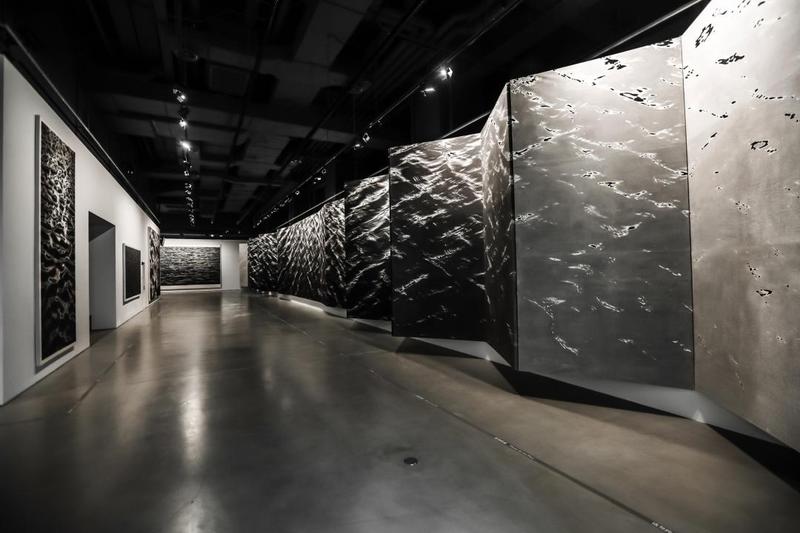
《2012生成与弥散》丨版画装置丨4 x 24m| 2019
除了兢兢业业的版画实践者这一身份之外,陈琦先生还是中国水印版画的教育家和多产的研究者。2019 年,陈琦出版了一本多达506 页的专著 -《中国水印木刻的观念和技术》,这可能是有史以来出版过的关于该领域的最全面的书籍,英文版预计将于2022年推出。多年来,陈琦在艺术创作中秉承万法归一法则,如作品中的道与技,古与今,数字与艺术的合一等。在近期的作品中,又将理性与潜意识融合创作出装置艺术。可以看出陈琦的创作形态如同流水一般不断地转换。毫无疑问,陈琦的水印木刻作品改变了人们对于有着千年历史的木版画的认知,而且陈琦之传奇仍然在延续。
Apart from being a dogged practitioner, Chen is also an educator and prolific researcher of Chinese woodblock prints. In 2019 Chen published his 506-page book The concept and techniques of Chinese woodblock printing, which is probably the most comprehensive book on the subject ever written. Its English version is expected to be released in 2022. Over the years, Chen has been advocating unity in his work, combining traditional with contemporary, and in his recent work, fusing rationality with the subconscious and creating installations. Chen is constantly transforming his art, like flowing water. There is no doubt that Chen Qi’s work has changed people’s perception of the thousand-year-old technique of woodblock printing, and his legacy continues.
\
此次2021观澜论坛的举办,
拉近了各国版画家之间的距离,
加深了版画家和版画从业者之间的感情,
也增强了大家对进一步合作与交流的信心。
更多精彩的演讲内容正在加紧梳理翻译,
会在微信公众号、B站、头条等各大平台
逐一发布,敬请关注!
-END-
